
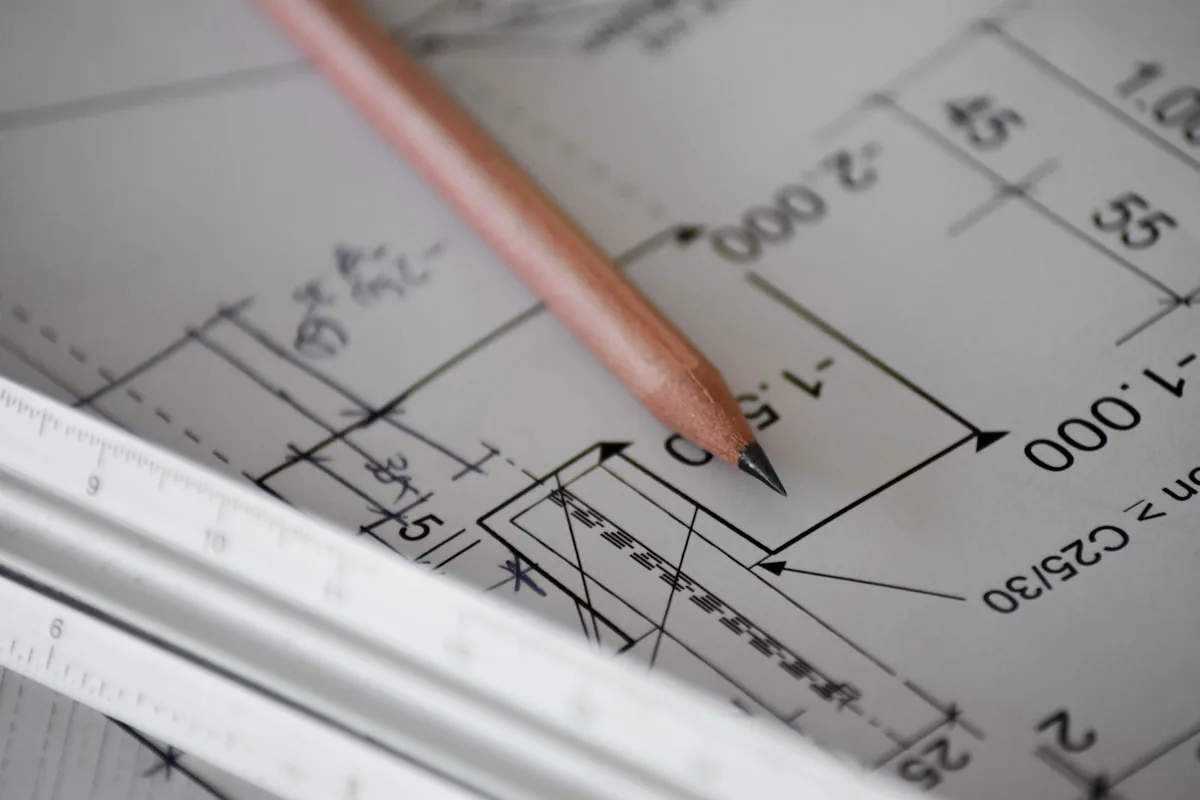
A pipeline isometric drawing is one of the most important technical documents in an industrial project — and at the same time one of the most underrated tools in the procurement process. A properly conducted isometric review catches specification discrepancies before they turn into a costly mistake on site.
What to check when verifying isometrics
- Nominal diameters and wall thickness matching the installation’s pressure class (PN/Class)
- Material compatibility with the process medium and operating conditions (temperature, pressure, chemical aggressiveness)
- Number and type of welded joints — directly affects the required scope of testing (RT/UT, PT/MT)
- Support and fixing points — often overlooked at the quoting stage, yet driving real installation cost
- Consistency of markings with fitting nameplates in the BOM (Bill of Materials)
Why this is a buyer’s job, not just an engineer’s
A procurement team that can read isometric documentation independently negotiates from a position of technical knowledge — it doesn’t have to rely solely on a supplier’s assurances that the material matches the specification. This genuinely shortens the offer-qualification cycle and reduces the risk of accepting material that doesn’t match the design.
In practice, it also means catching so-called silent substitutions faster — cases where a supplier proposes an “equivalent” material that, on a careful reading of the drawing and PED standards, doesn’t actually meet the pressure class or hazard category requirements.